EXPECT SOON
About us
History
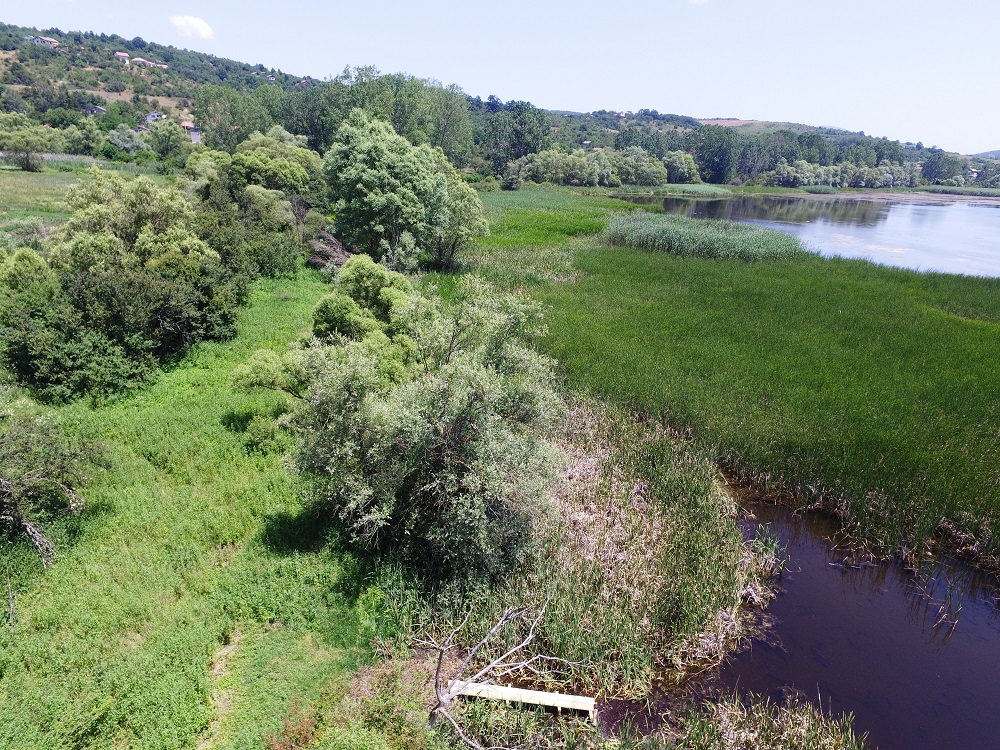
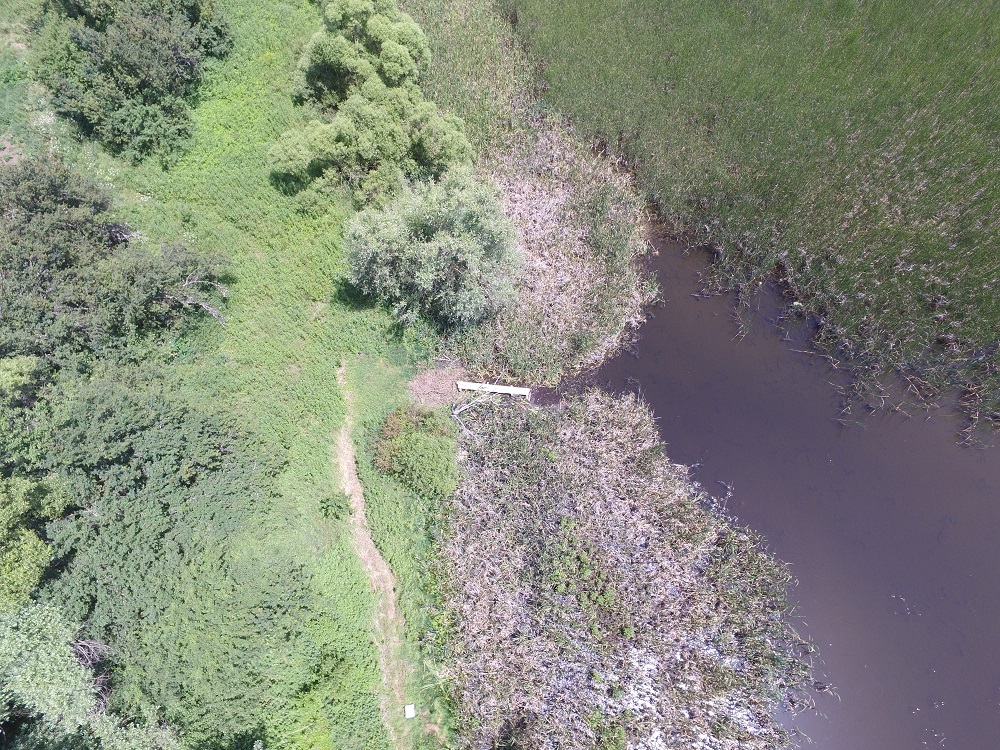
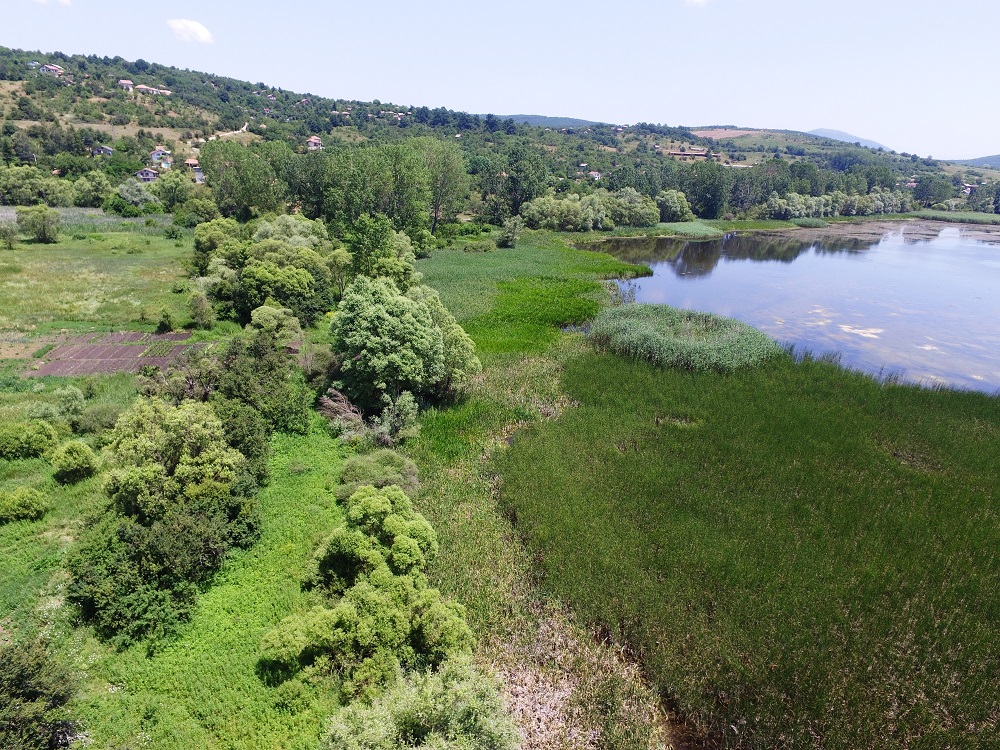
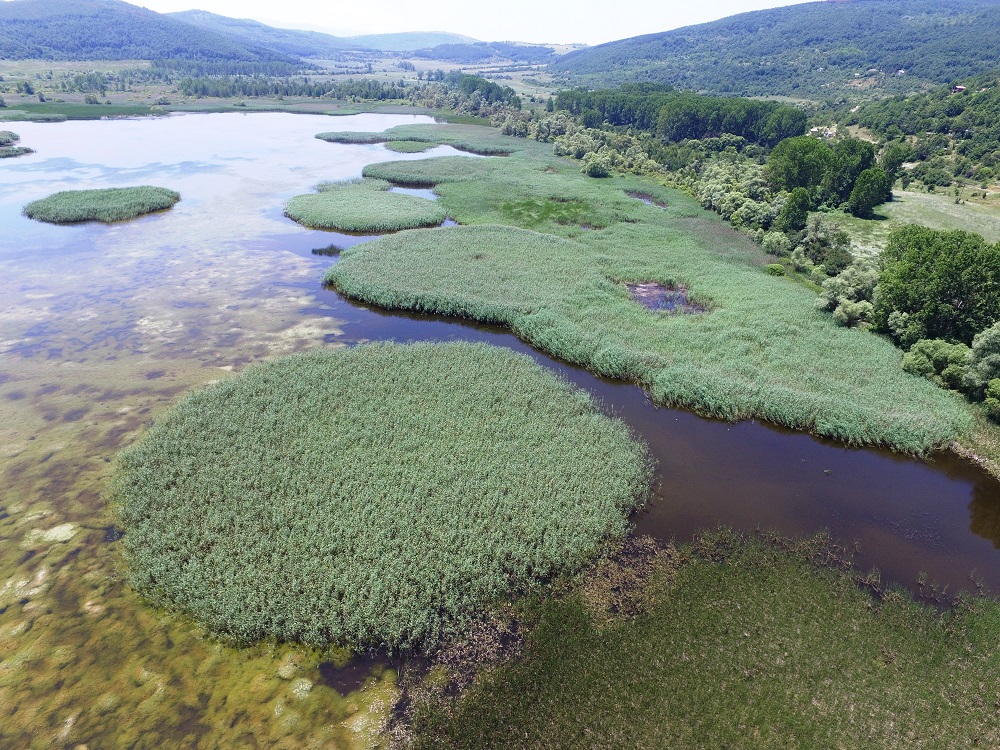
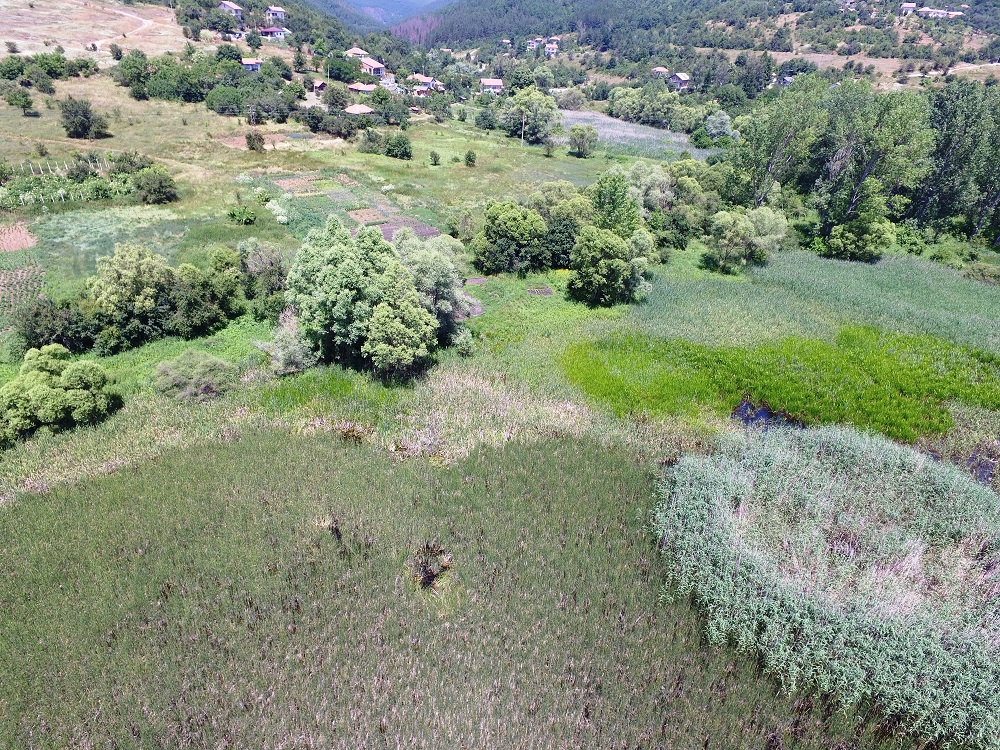
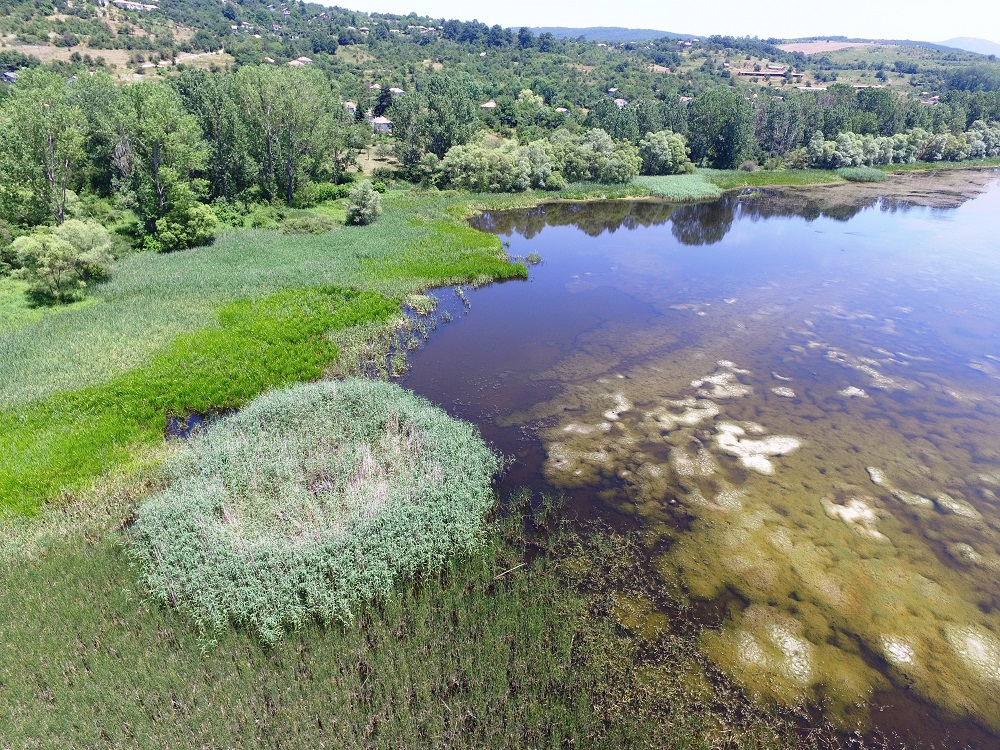
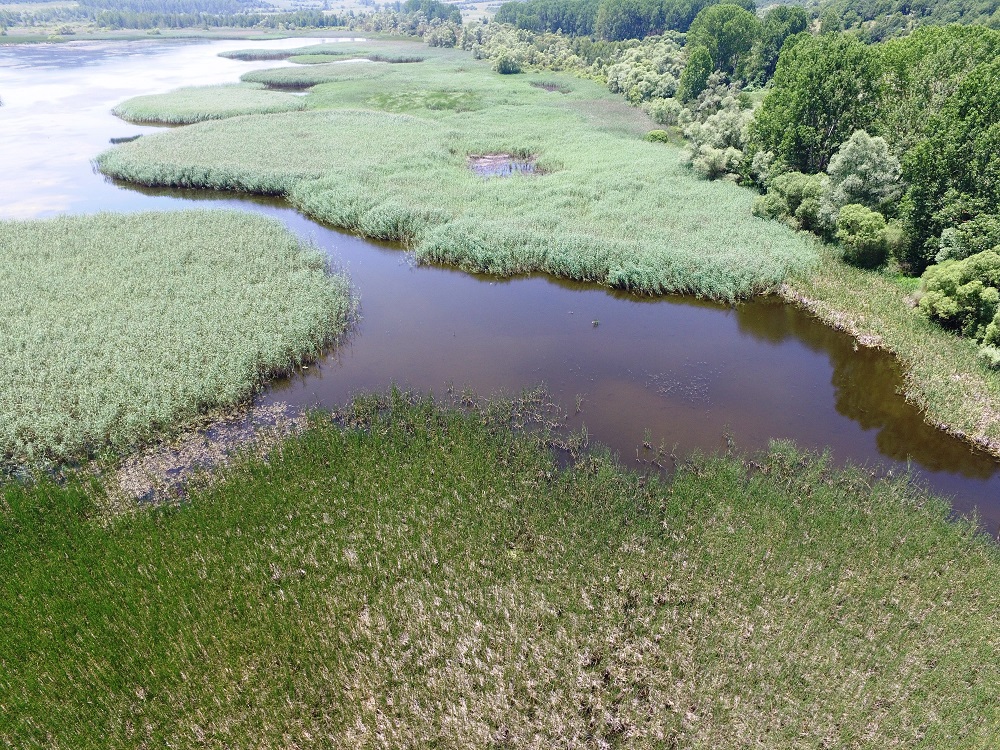
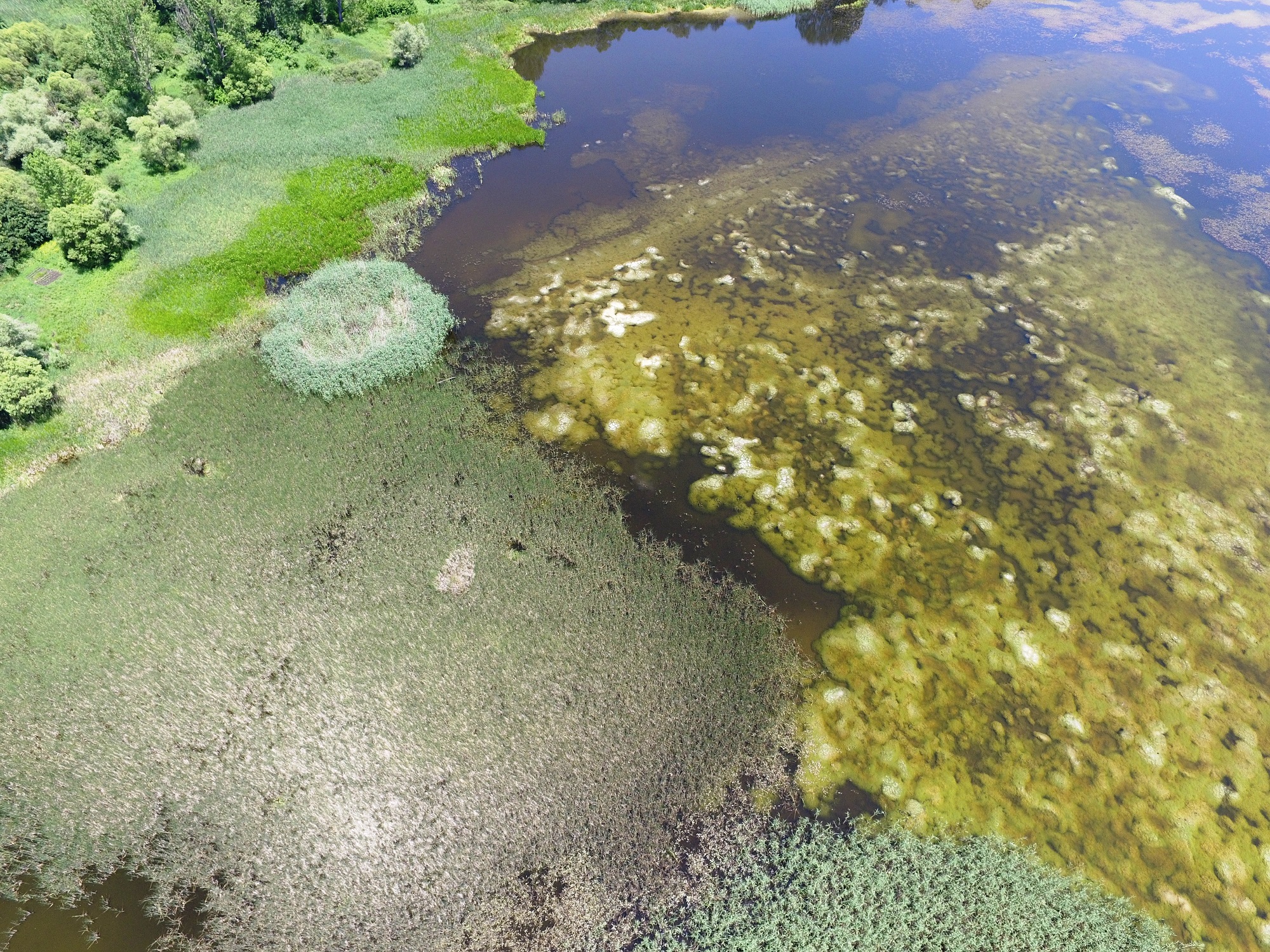
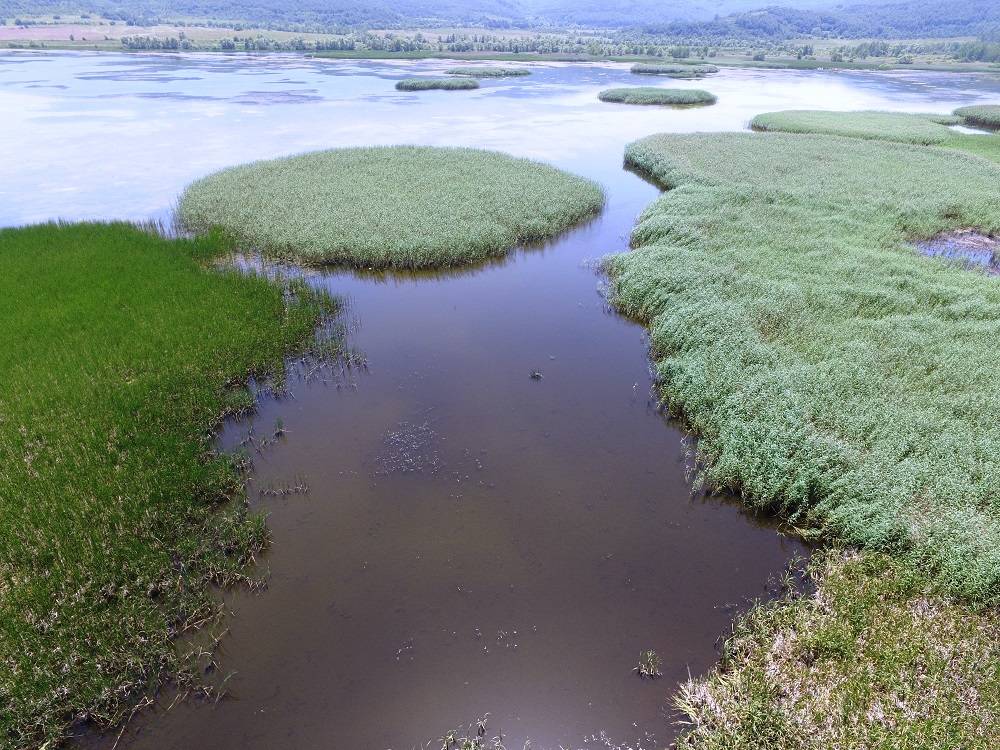
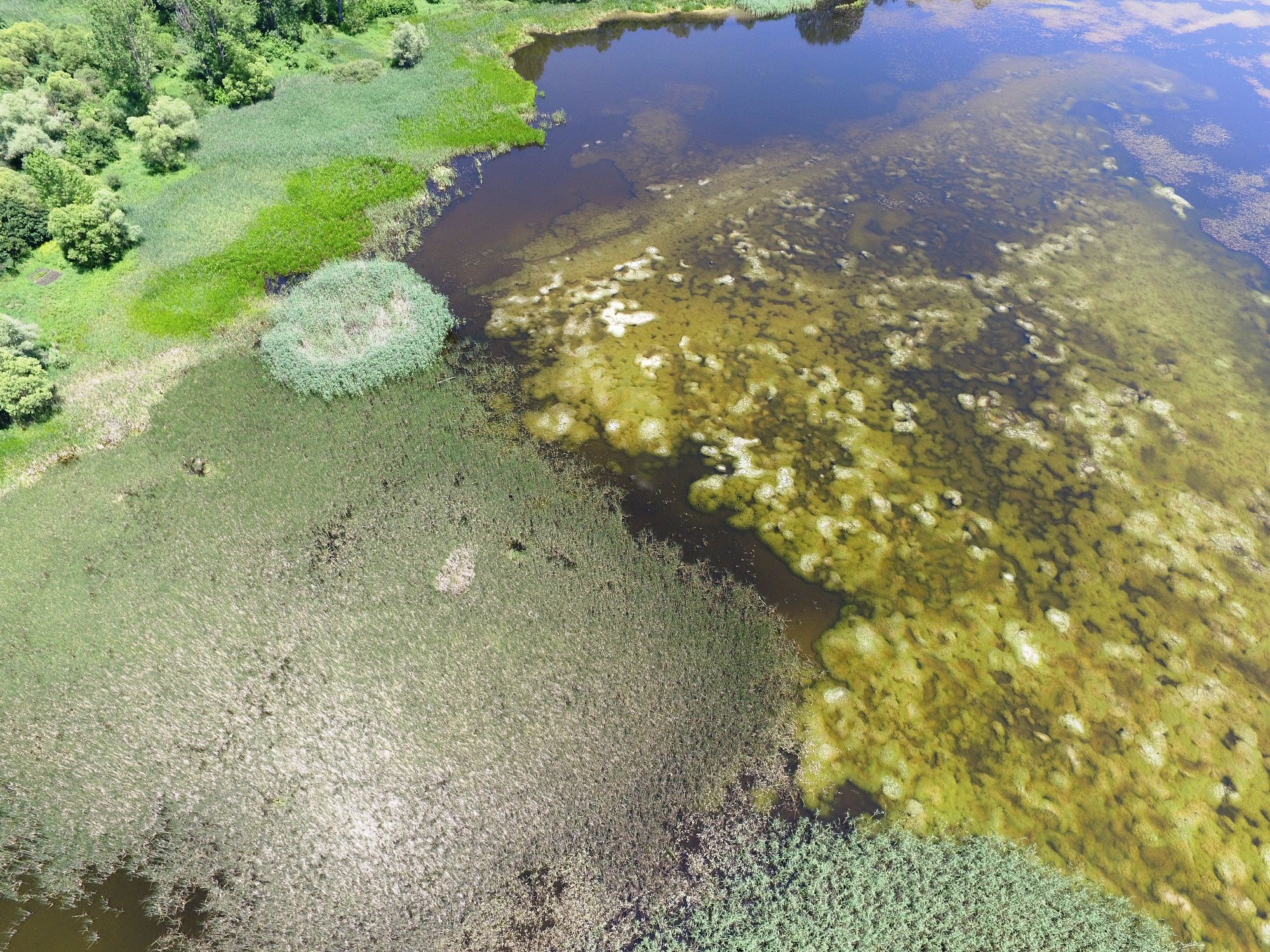
Choklyovo Swamp (Baikalsko Swamp) is located directly near the village of Baikalsko, Radomir Municipality, Pernik District. It is the only peat bog in Bulgaria. The richest peat deposit in the Balkans in Lake Baikalsko„
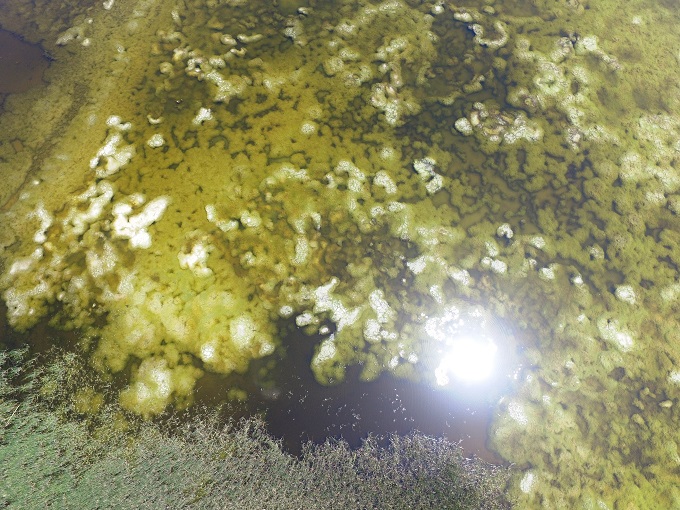
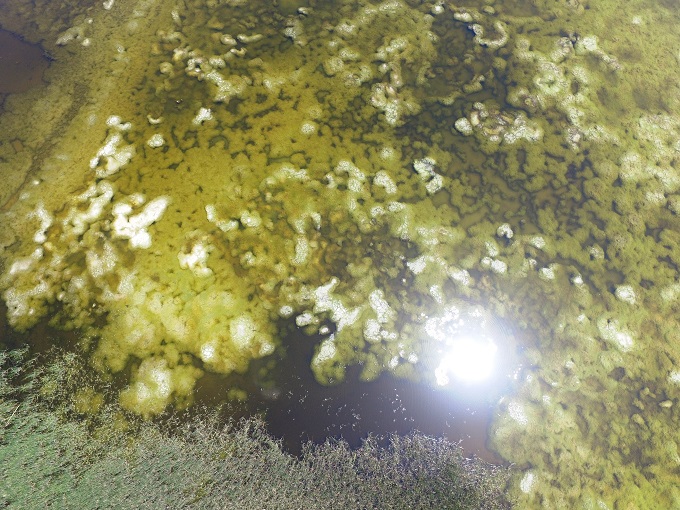
An amazing natural wealth lies forgotten at the foot of the Konyava Mountain. Near the Radomir village of Baikalsko is the lake of the same name, which the locals know and remember more as Choklyovo Swamp. According to official data, this was the richest peat deposit in the Balkans. And peat is a special mud that is formed by the slow decay of marsh plants and algae, with the decomposition being catalyzed by bacteria. In addition to serving to improve the soil, peat also has healing properties.
Over time and through various geological, physicochemical studies and analyses of peat, it has been established that peat is actually extremely rich in various types of minerals and beneficial substances intended for general prophylaxis:
- of the musculoskeletal system - joints, muscles, spine,
- peripheral nervous system,
- female and male reproductive system
- It has a relaxing effect, relieving and toning the body.
The healing properties of the lake have been known since ancient times. This is most likely why there was a Thracian and later Roman settlement near it, and proof of this is a mound in the immediate vicinity of the reservoir, but so far only explored by treasure hunters.
The village was once called Kalenitsa, probably because of the valuable mud in the swamp. There is a version about the name Baikal that it is a Turkish word meaning sea and wild horse. It is assumed that the name Baikal was also borrowed from the great Russian lake, but because there is a village with the same name on the Danube, the Radomir region was renamed Baikal.
Protected area – flora and fauna
The lake is included in Natura and is therefore a protected area. Its waters provide shelter to many waterfowl – grebes and great grebes, marsh grebes, wild chickens and ducks. The water is home to large pike, loach, rudd, rudd and carp, and before the pike appeared, there was also tench.
Fishing here is prohibited because, according to experts, even the smallest lead weight on fishing rods can have a negative impact on the environment and actually pollute the peat.
In Choklevo Marsh there are 7 species of higher plants of conservation importance: Lathyrus palustris, Menyanthes trifoliata, Pedicularis palustris, Peucedanum palustre, Salix pentandra, Salix rosmarinifolia and Utricularia minor. Natural habitats from Annex I of Directive 92/43/EEC are 3150 – Natural eutrophic lakes with vegetation of the Magnopotamion or Hydrocharition type, 7230 – Alkaline marshes and 91M0 – Balkan-Pannonian cerovo-gorun forests. 104 species of birds have been identified, 36 SPEC, SPEC1 – 2 species, SPEC2 – 8 species, in SPEC3 – 26 species; 21 species from Annex 2 of the ZBD, for which special protection measures are required; 26 species from the National Red Book; 21 from Annex I of Directive 79/409/EEC. Of importance for 2 species of primary European conservation importance (SPEC1) – the white-eyed grebe (Aythya nyroca) and the corncrake (Crex crex).
Other protected representatives from NATURA that you can see:
Invertebrates – Alpine rosea, Stag beetle, Beech sawfly, Common sawfly
Amphibian reptiles – Great crested newt, Yellow-bellied toad, Common pond turtle
Mammals – Otter, Wolf, Polecat, etc.
Bats – Greater horseshoe bat, Lesser horseshoe bat, Southern horseshoe bat, Mediterranean horseshoe bat, Long-eared bat, Tricolor bat, Broad-eared bat.
Peat moss, marsh sedge, rosemary willow and other representatives of the flora also grow here.